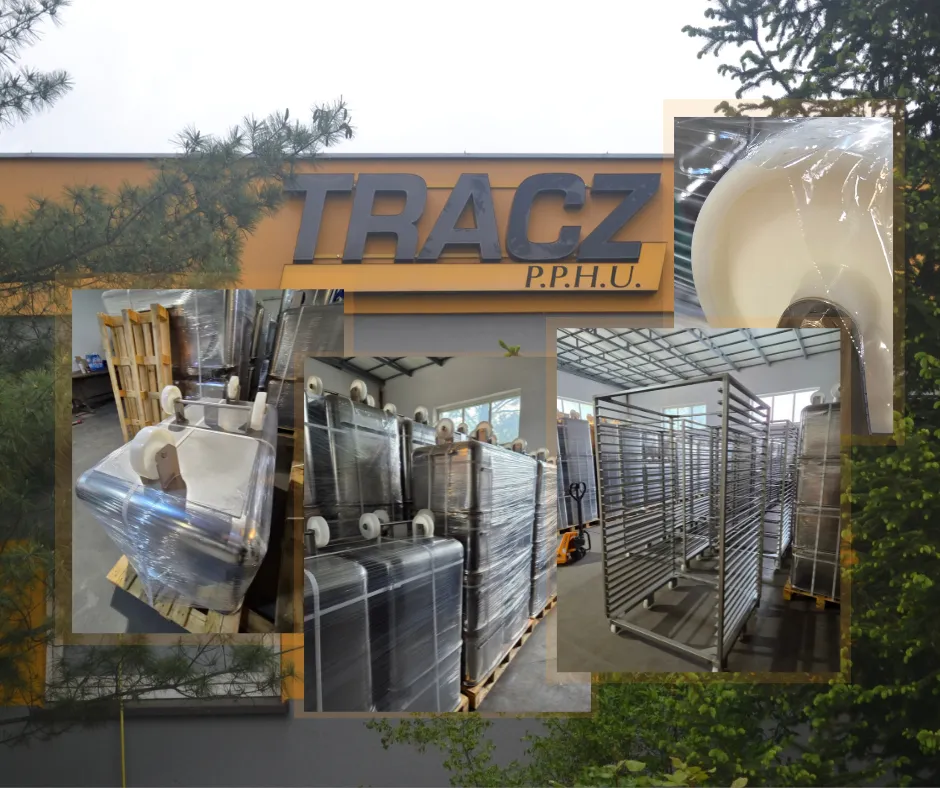
In the meat processing industry, microns determine the reliability and biosecurity of biosecurity – find out the engineering details of the Tracz stuffing trolleys, which redefine hygiene standards.
Uncompromising welding: eliminating microbiological risk
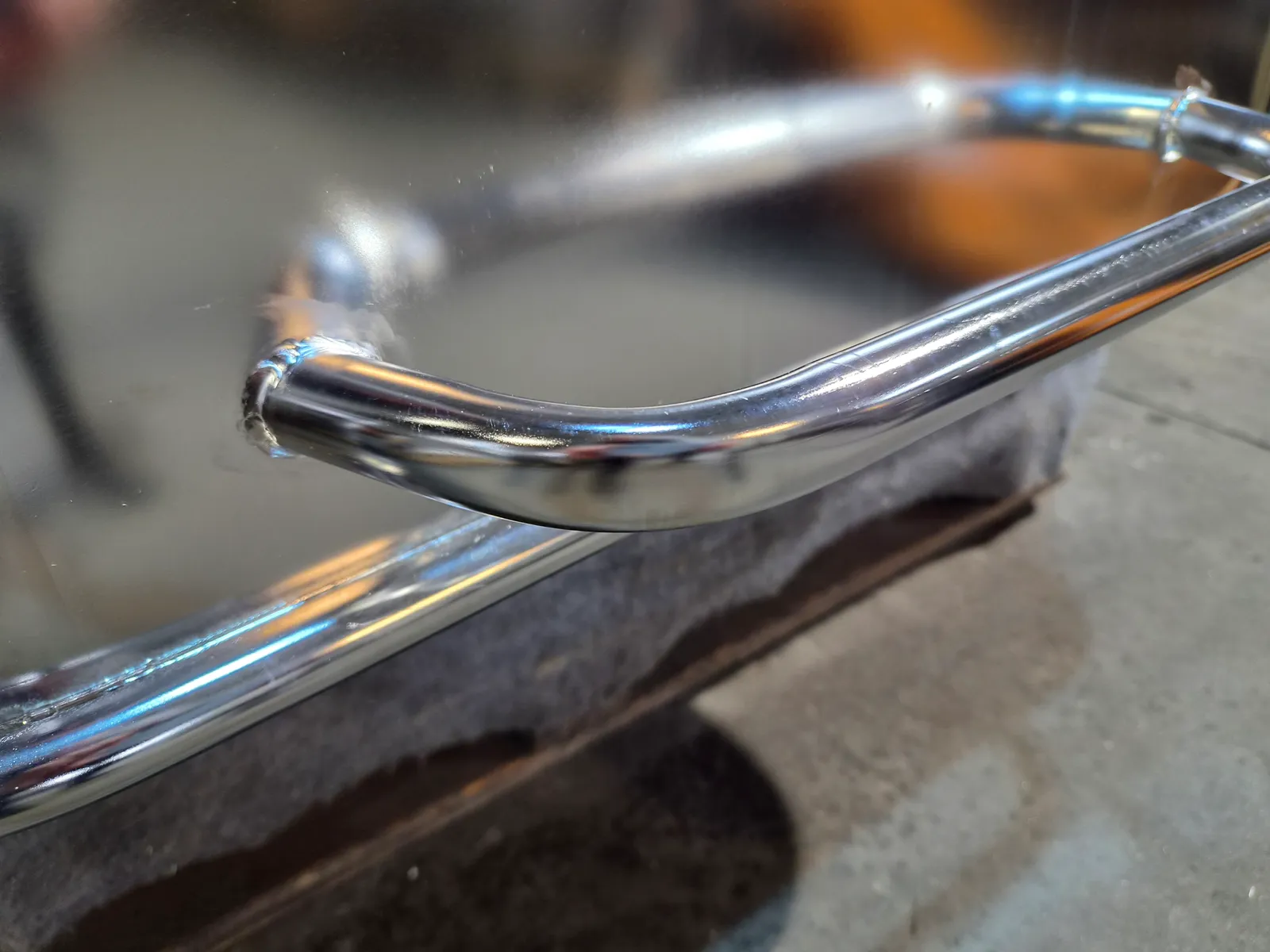
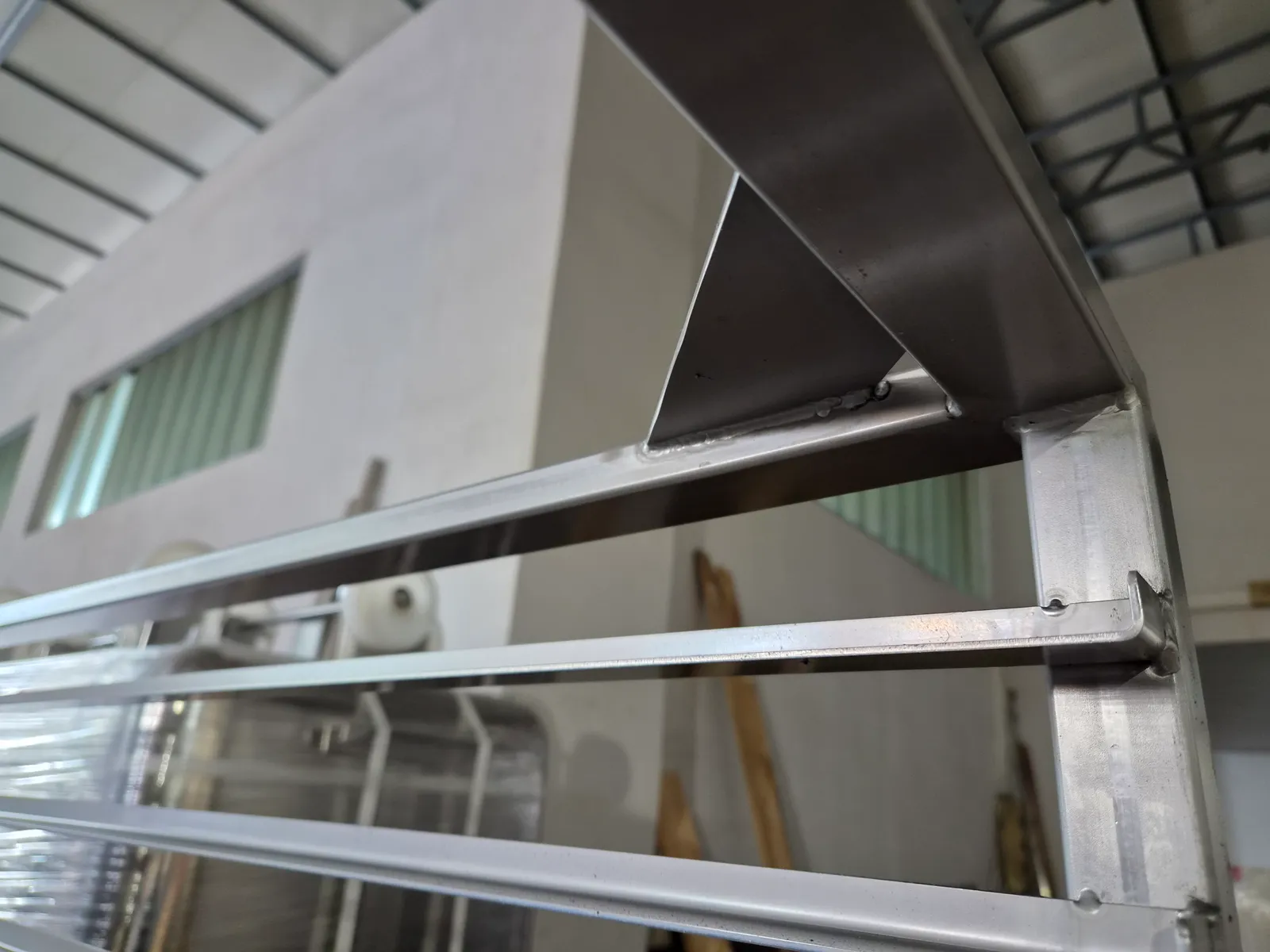
Designing equipment for the food industry requires an uncompromising approach to microbiological purity. Classic stuffing trolley (compliant with DIN 9797), although seemingly simple, made by P.P.H.U. Tracz becomes a show of advanced welding art. The key element of the structure are welds – continuous, precisely sanded and etched, completely eliminating the risk of micro gaps. You, as a producer, gain confidence: in such places, organic residues will not accumulate or bacterial biofilms will not develop, which eliminates the risk to the safety of the entire production batch.

Ergonomics and durability: a construction made for hard work
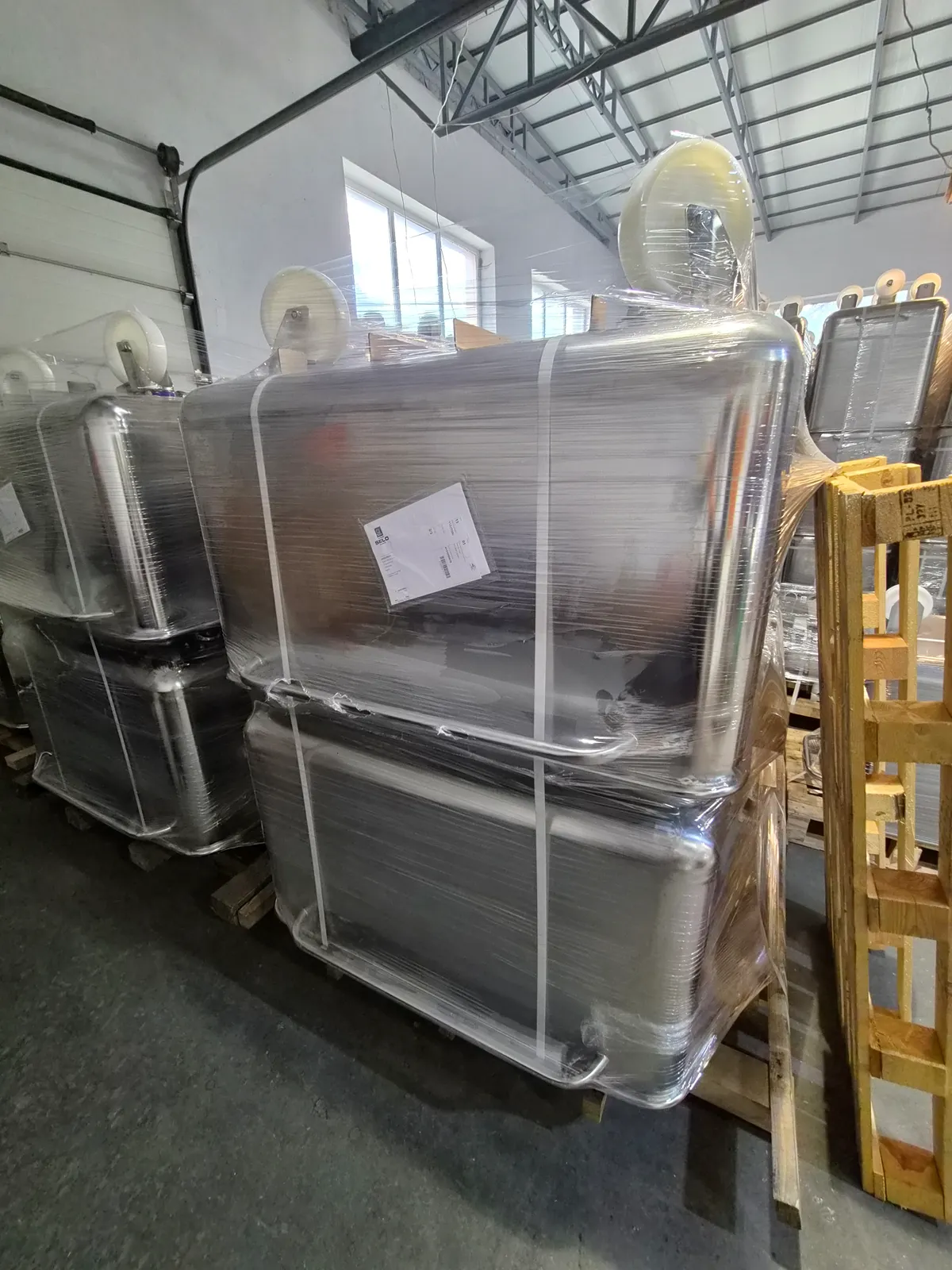
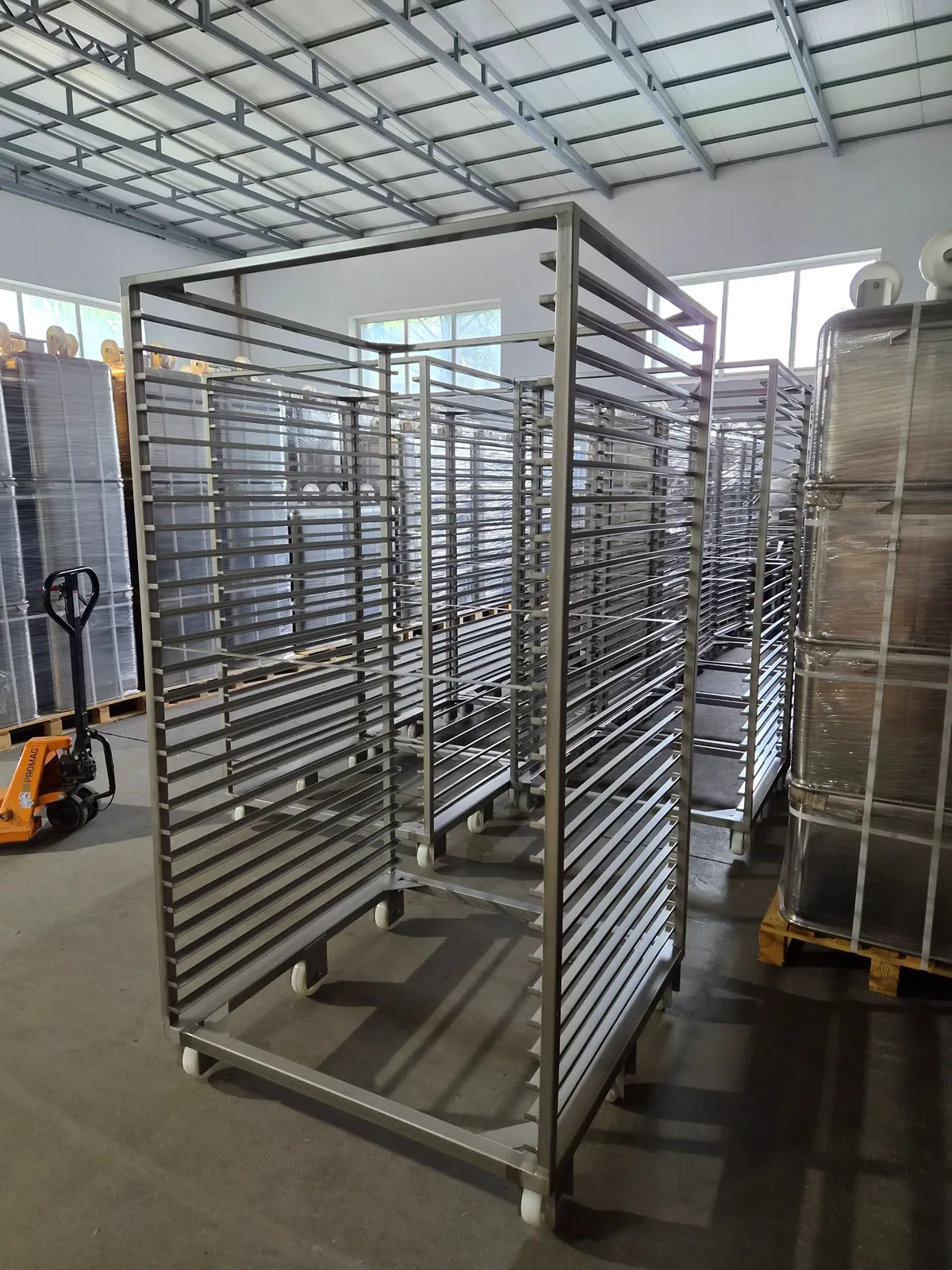
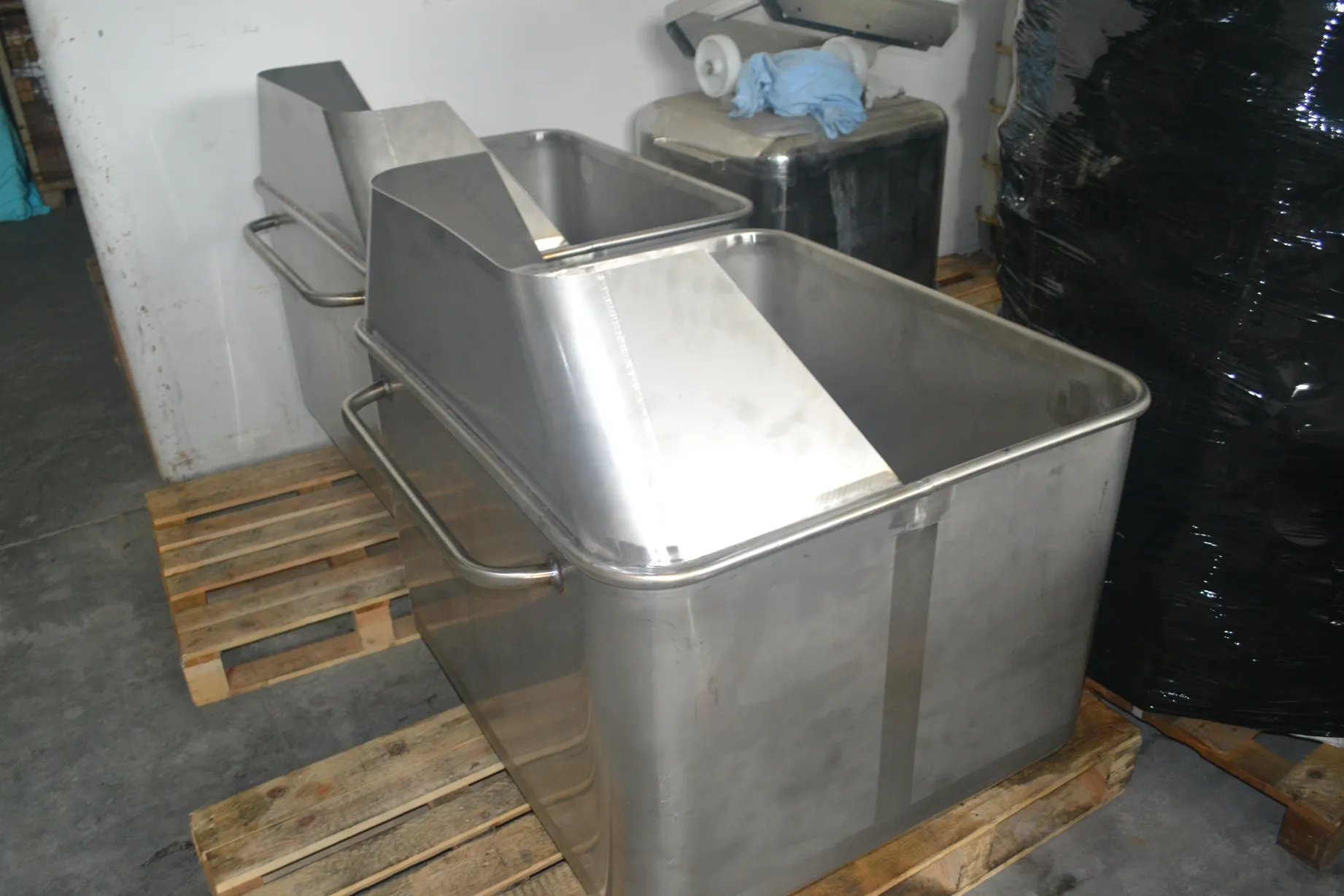
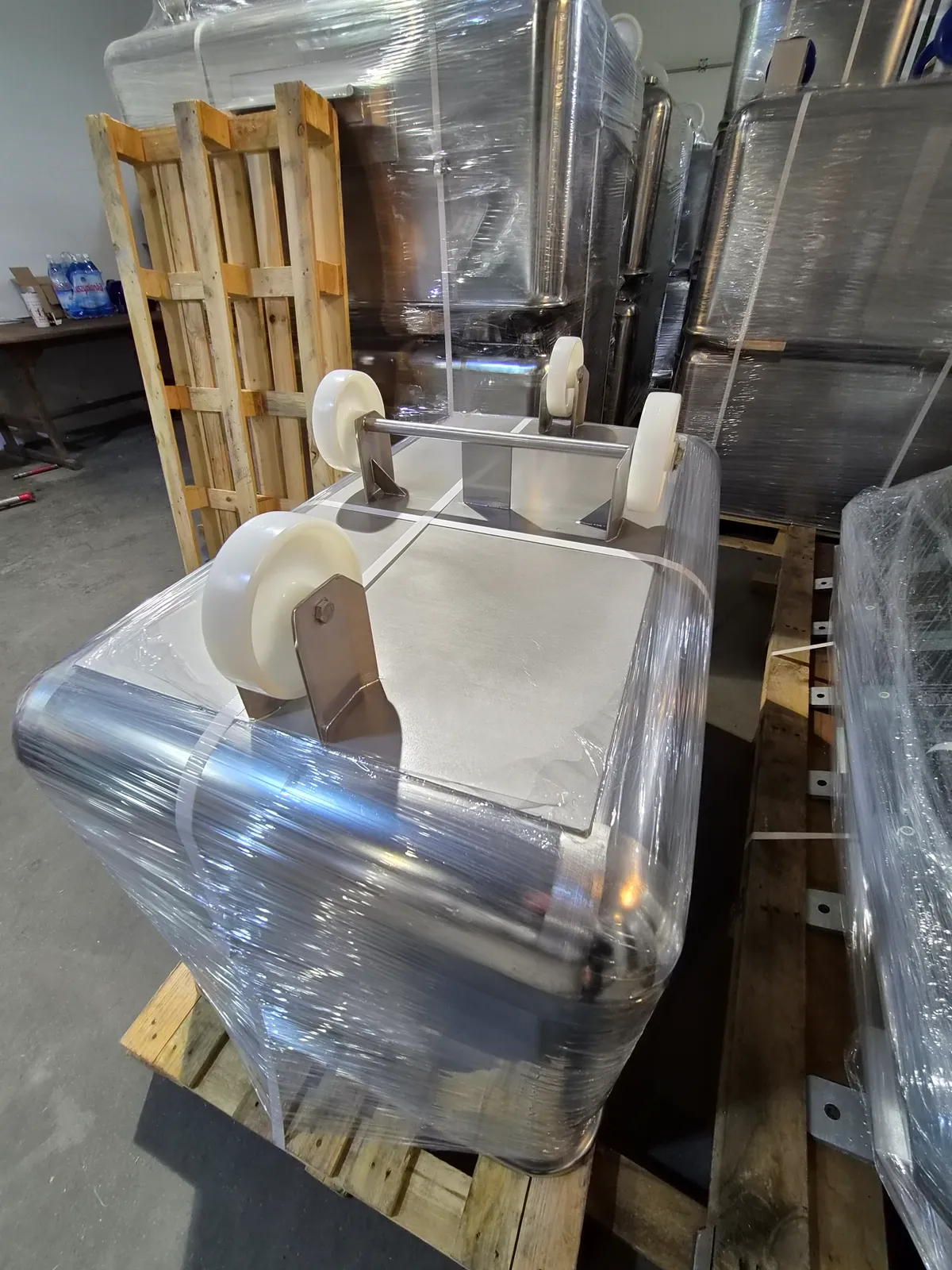
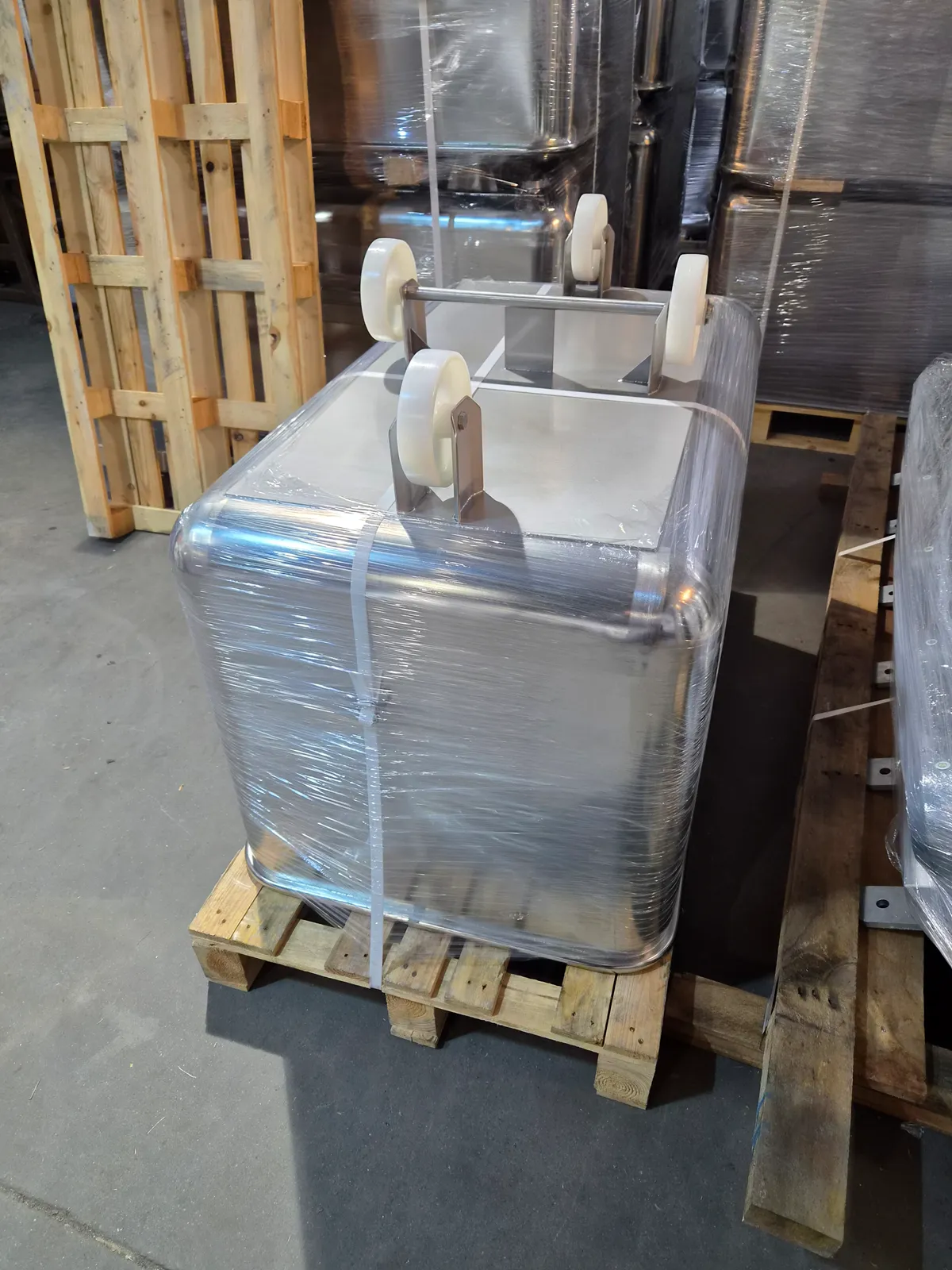
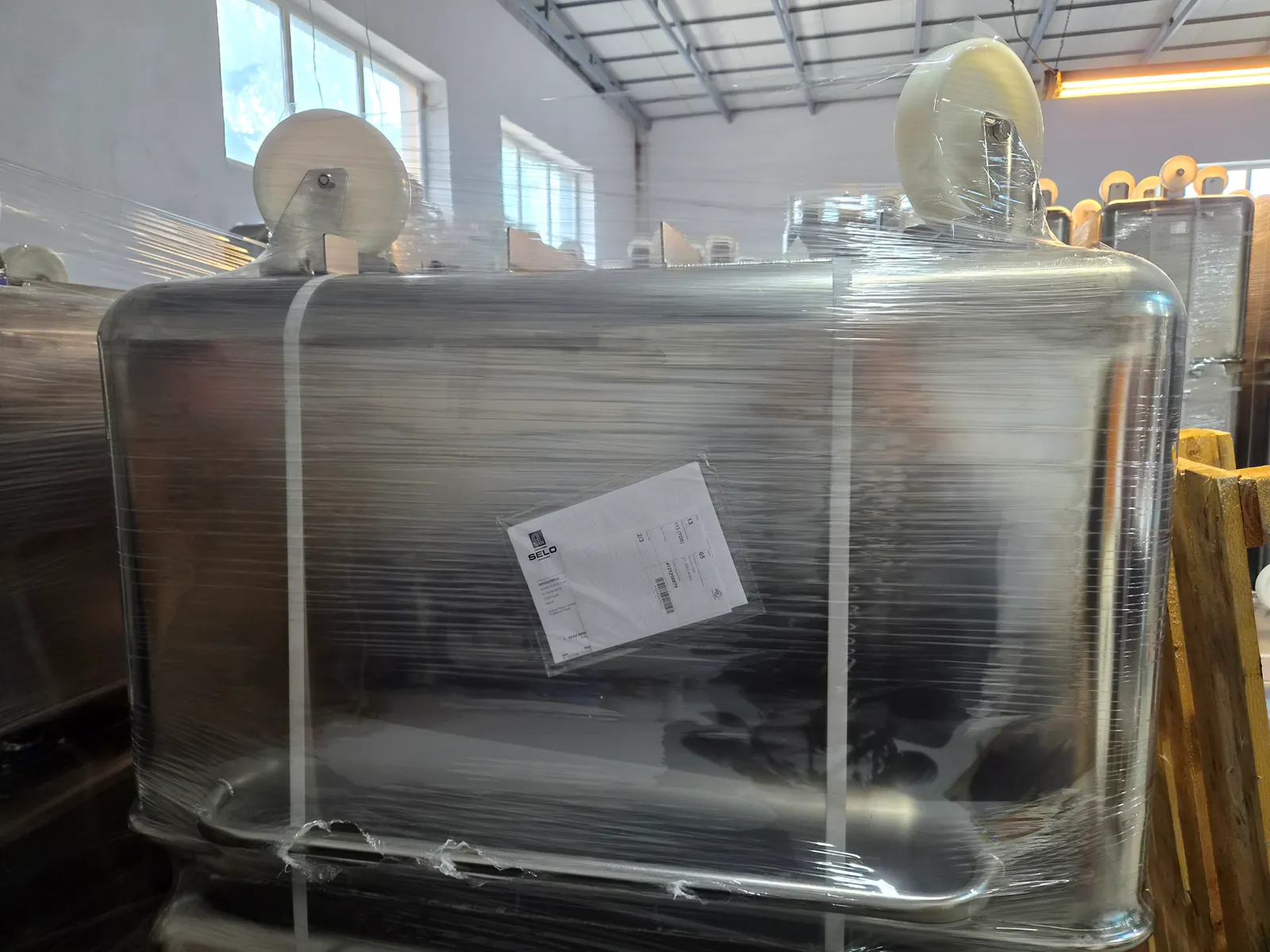
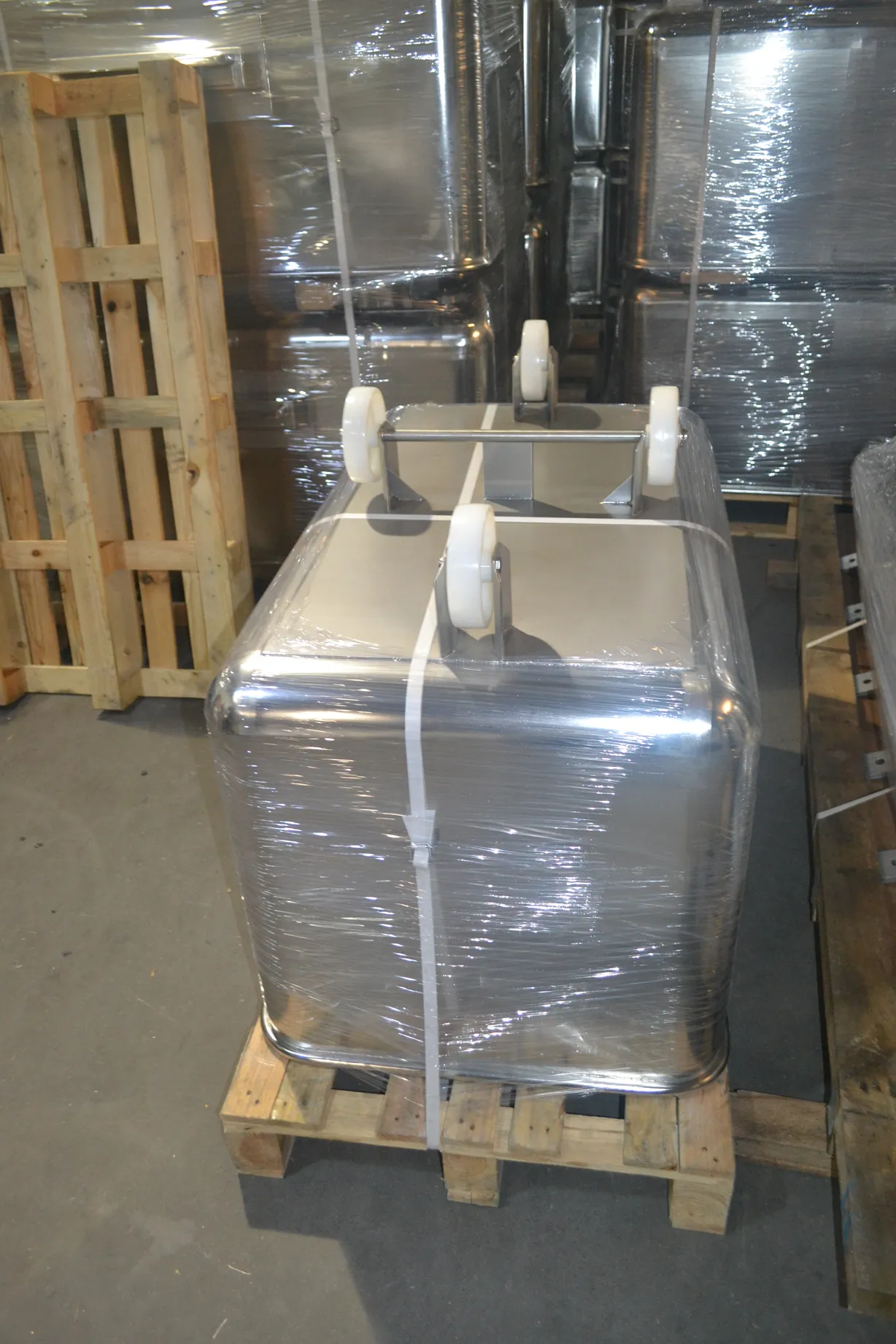
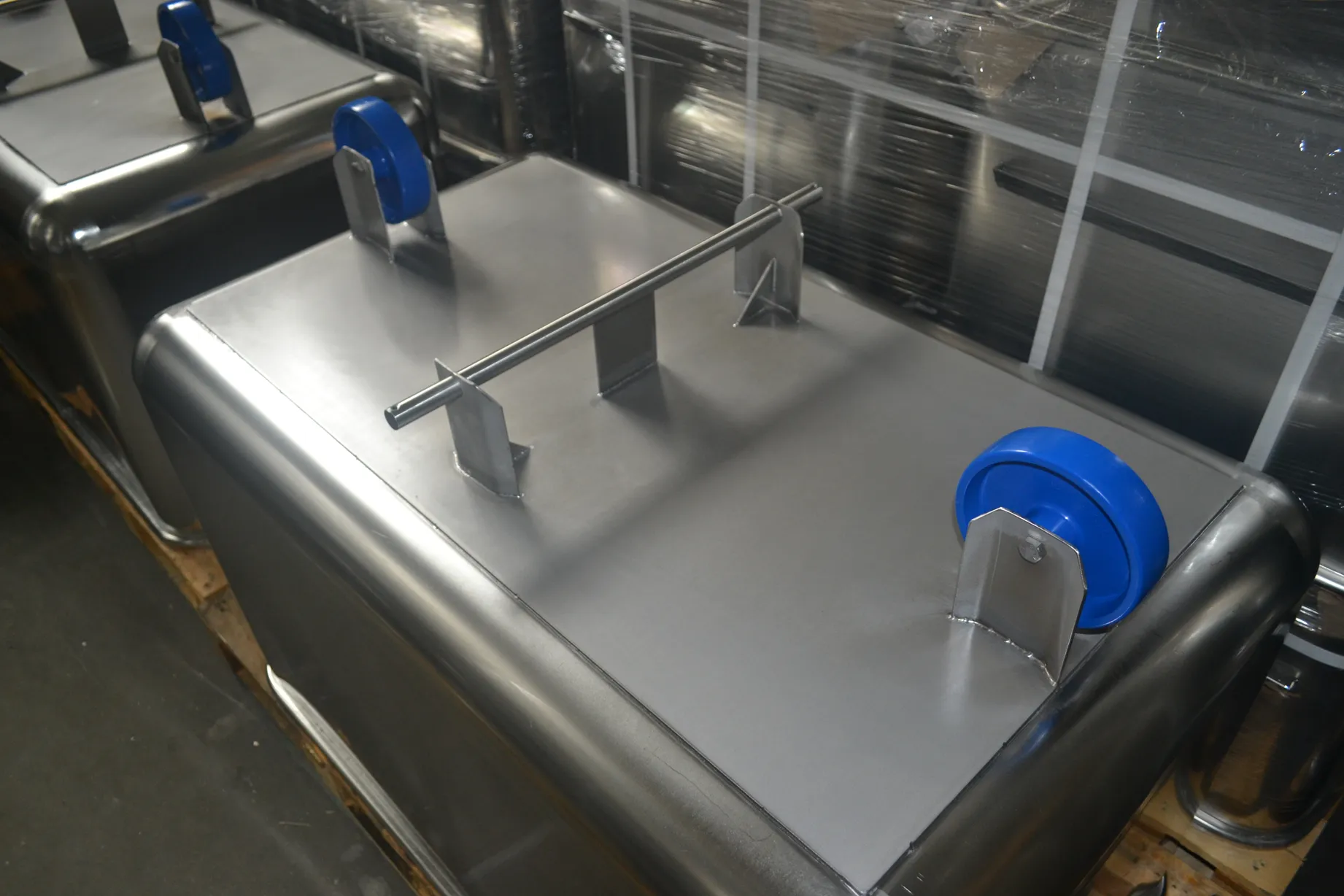
Every detail visible on finished products leaving the TRACZ plant has its functional and endurance justification. Thick, solidly welded side handles (lift ears) are perfectly symmetrical, which guarantees smooth and safe cooperation with mechanical pole or shoulder lifts when unloading stuffing for butcher machines. The upper edge of the trolley has been twisted and reinforced in a way that prevents the dripping of technological fluids under the rim, and the bottom of the structure has gained additional ribs, preventing deformation under the influence of maximum load pressure.

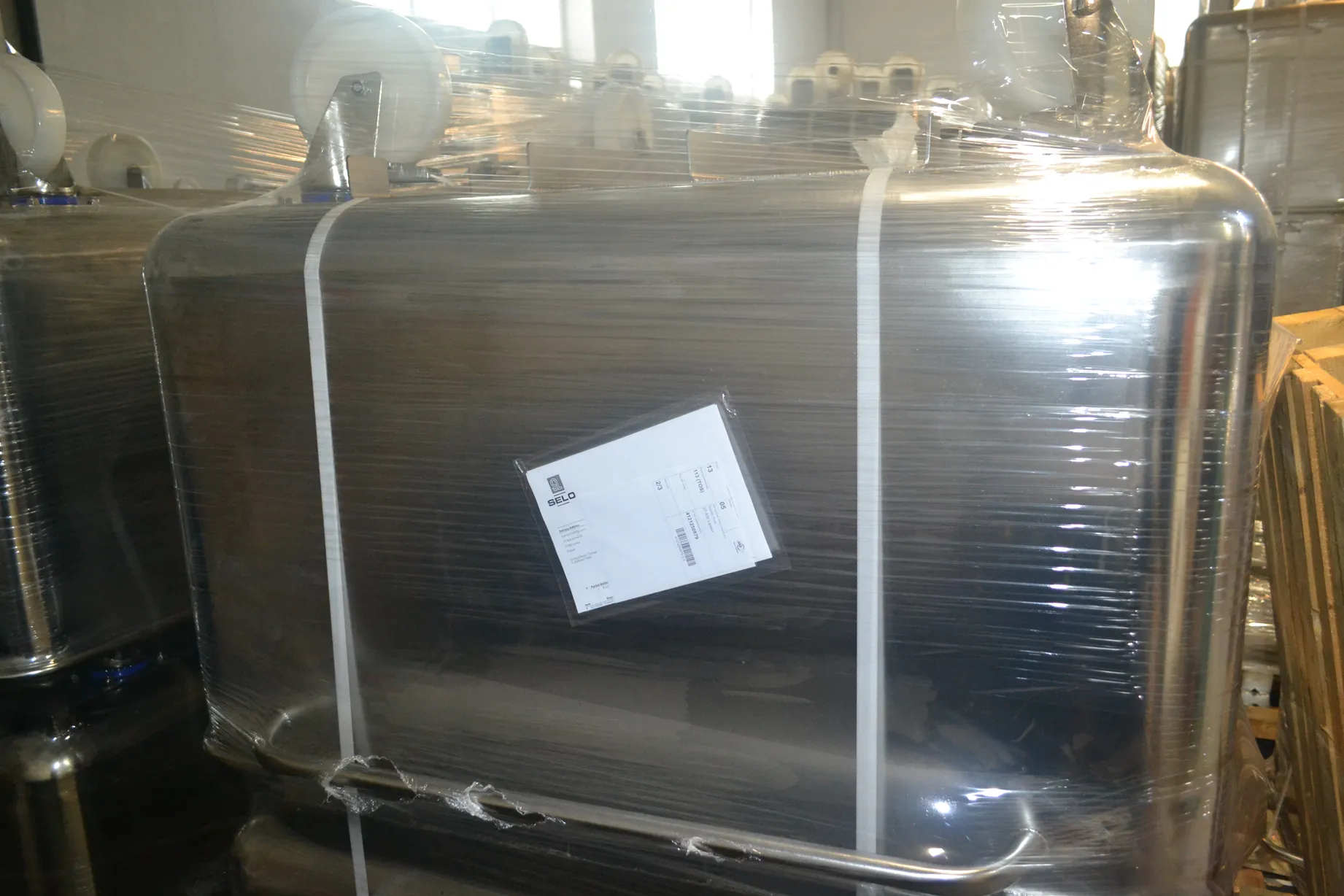
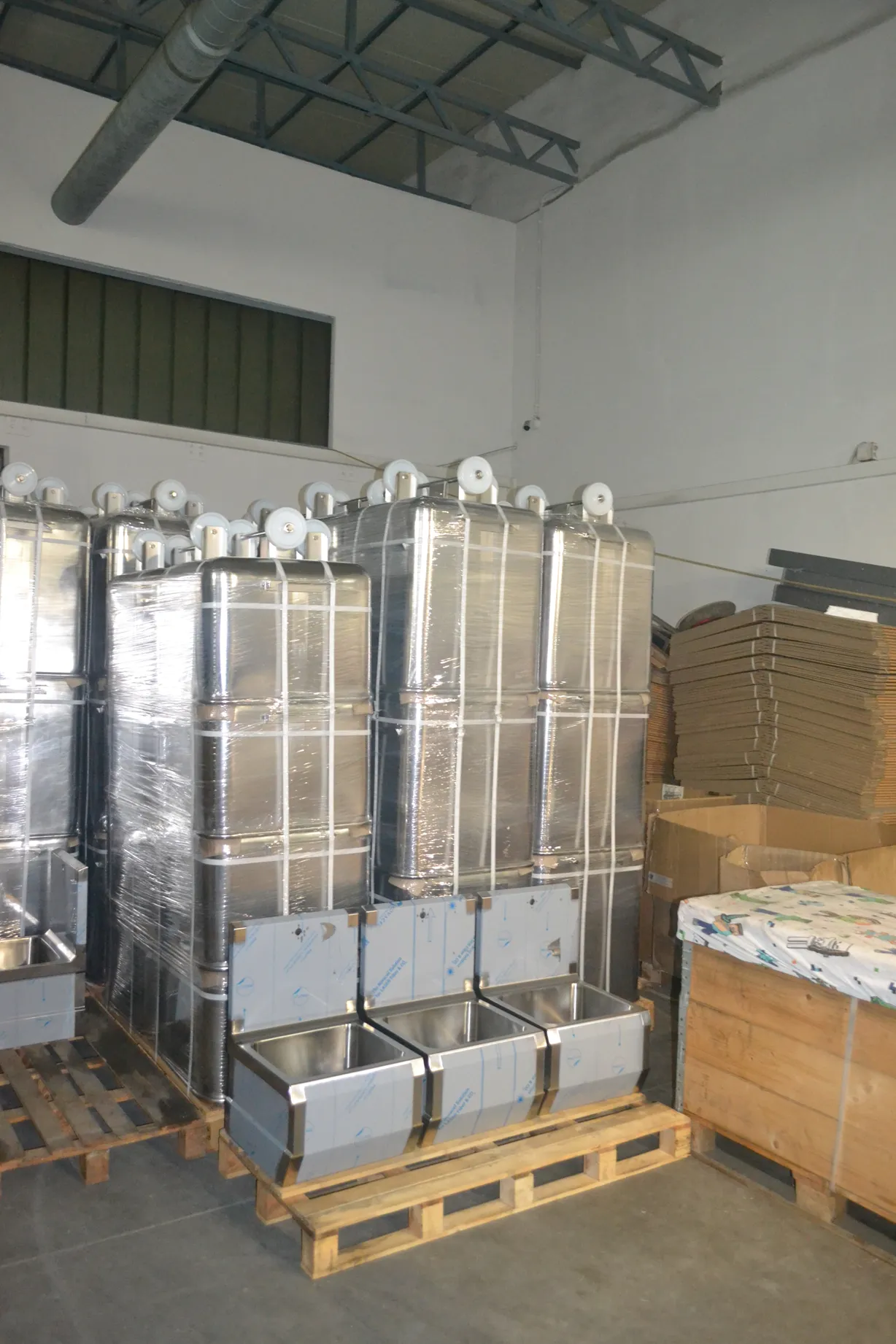
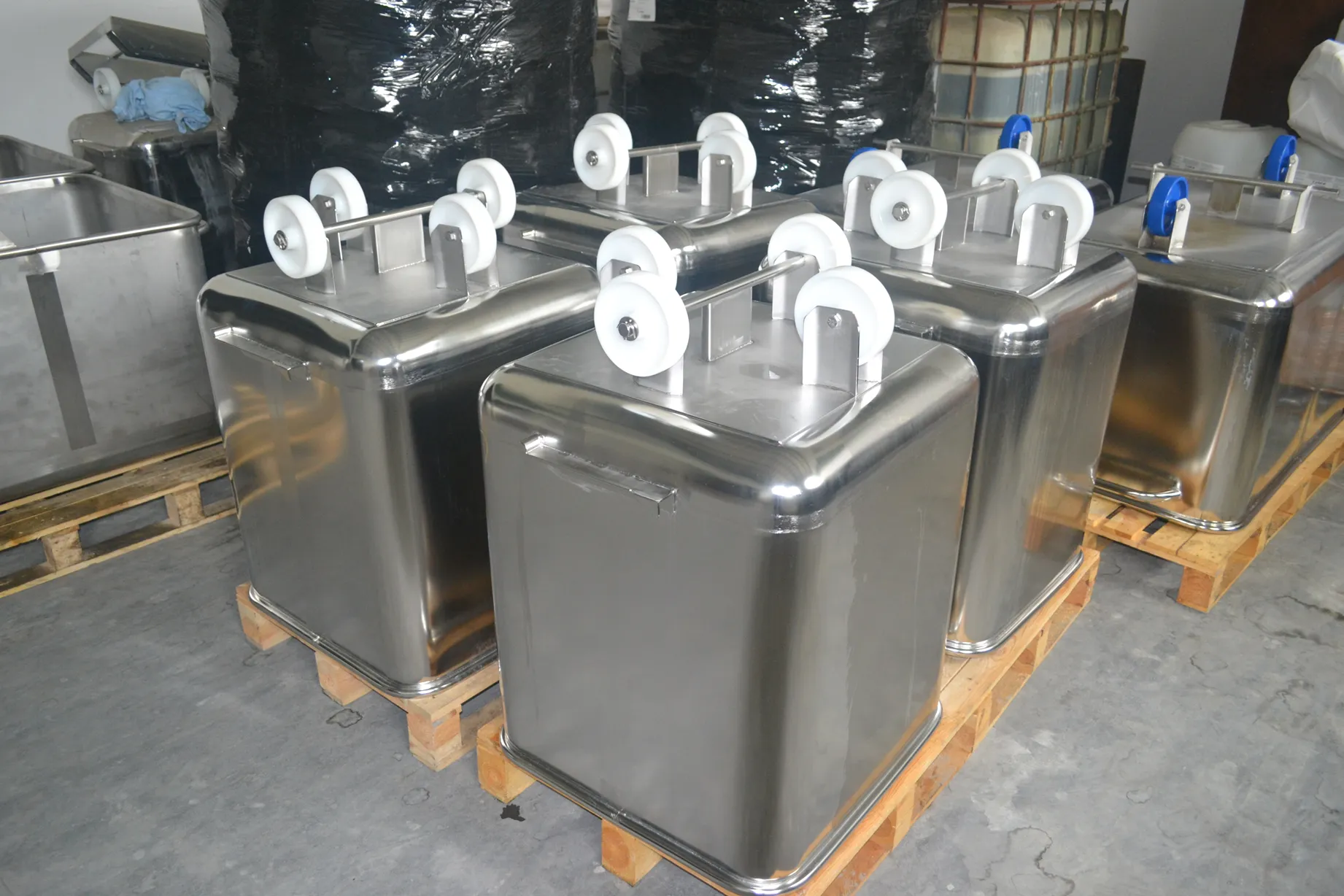
Reliable Mobility: Chemical and Temperature Resistant Chassis
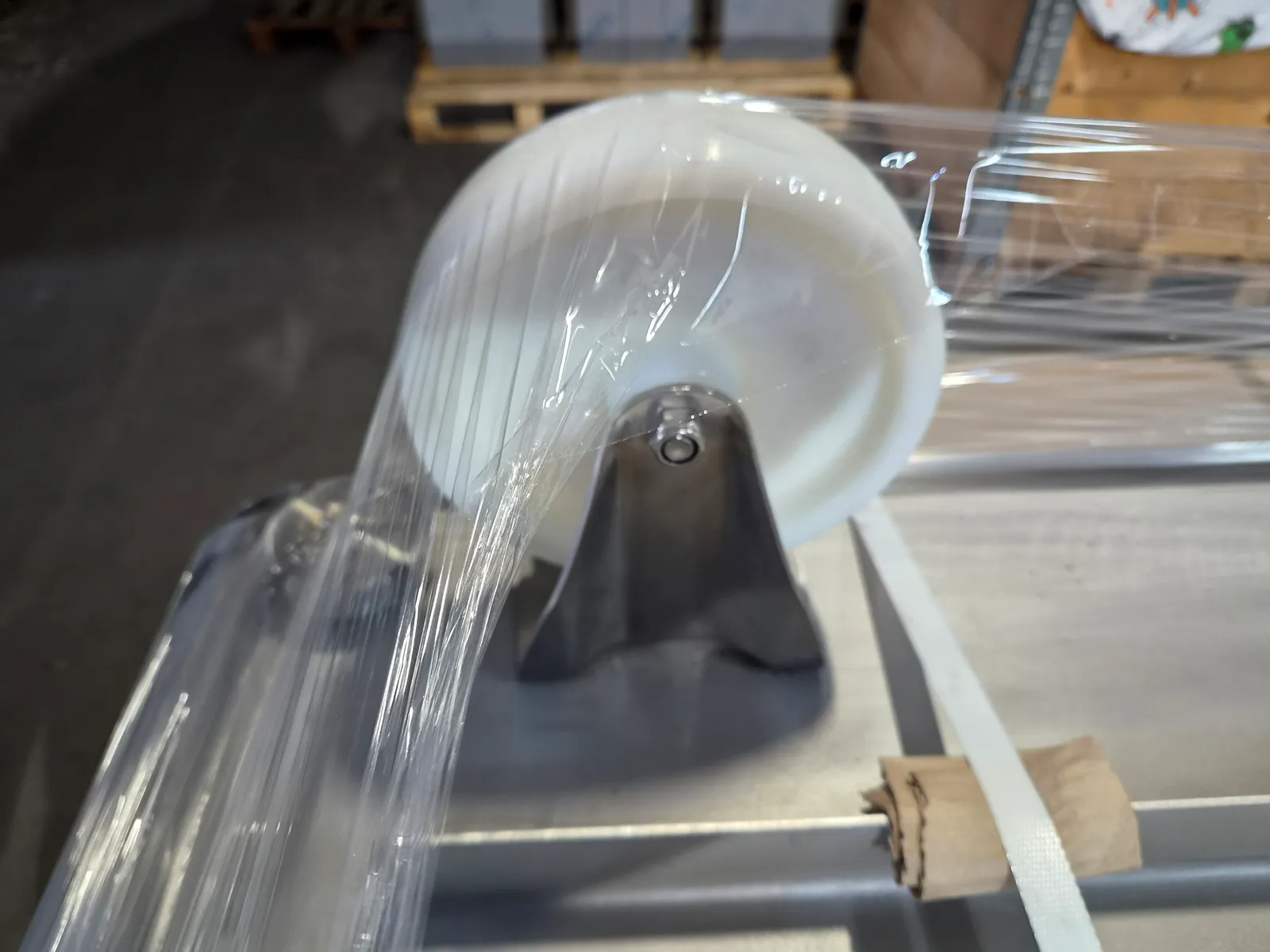
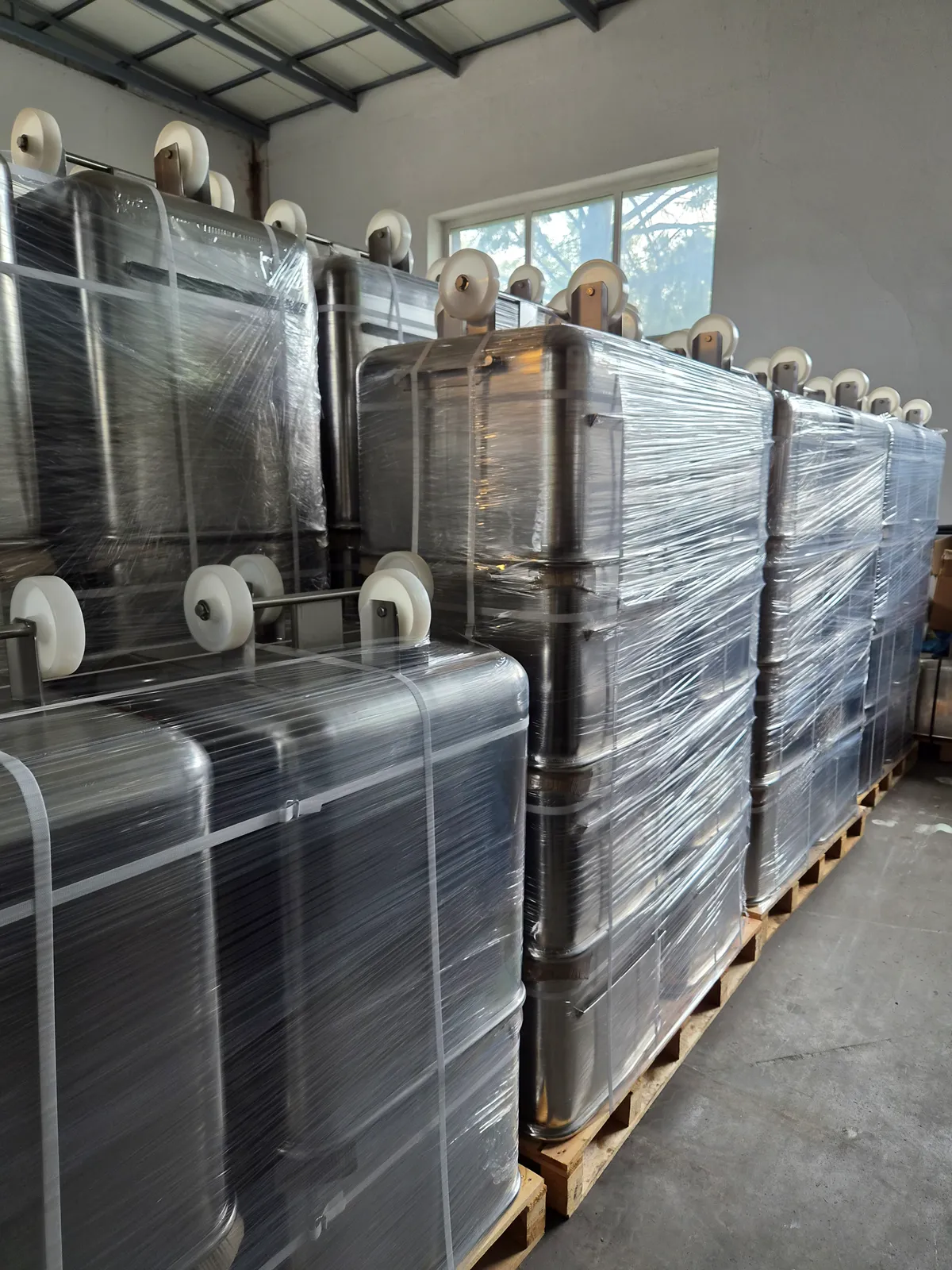
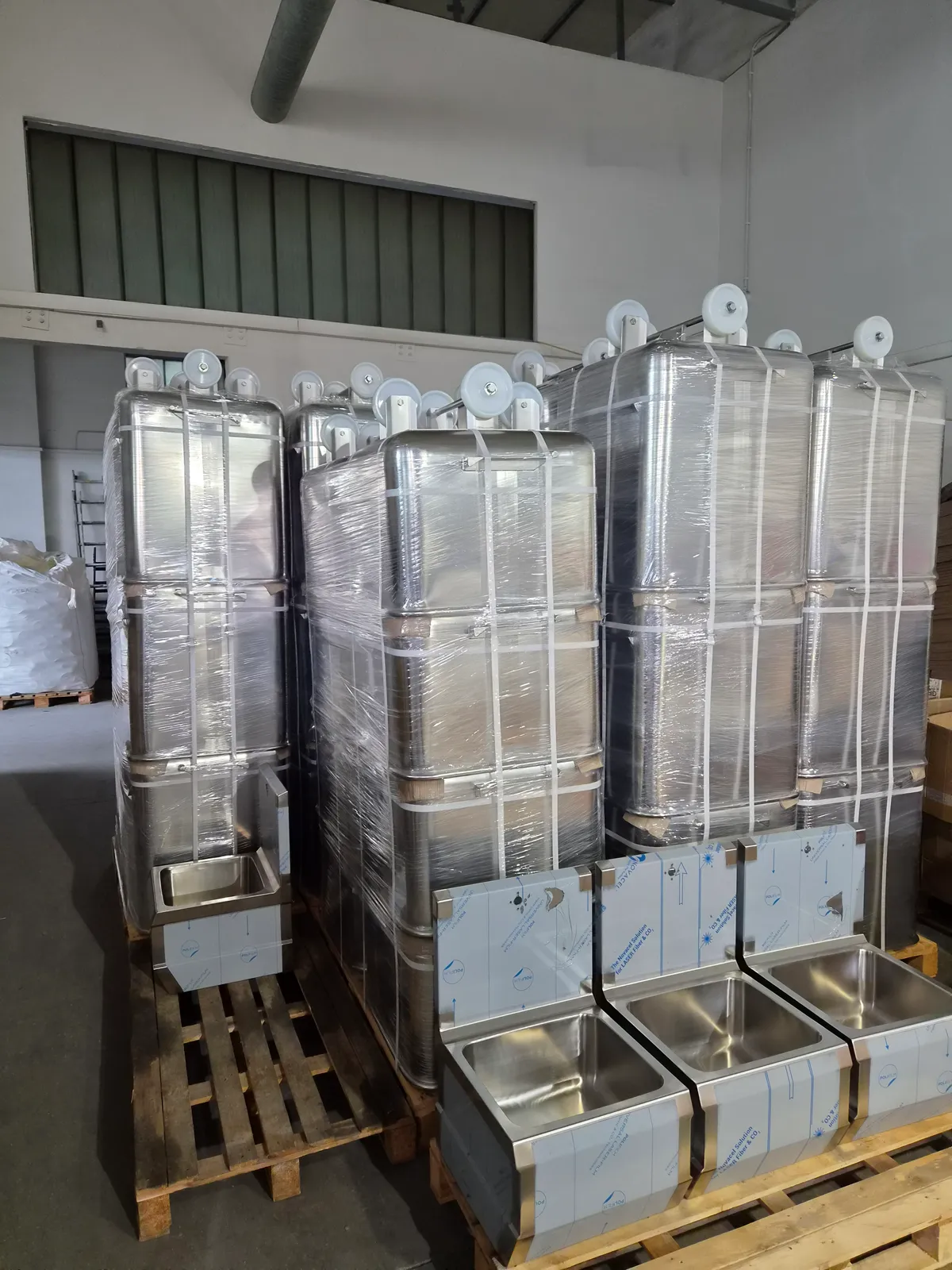
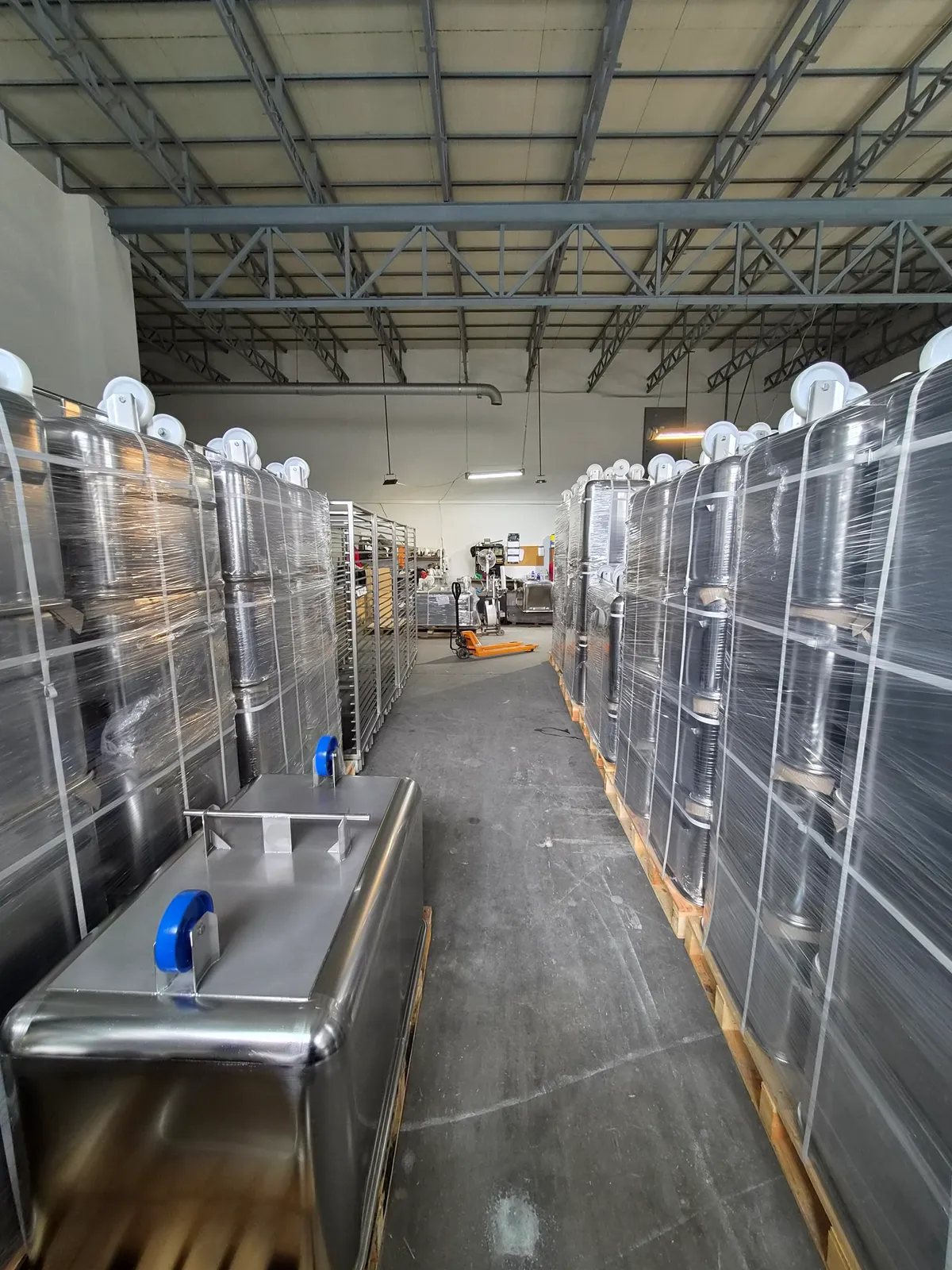
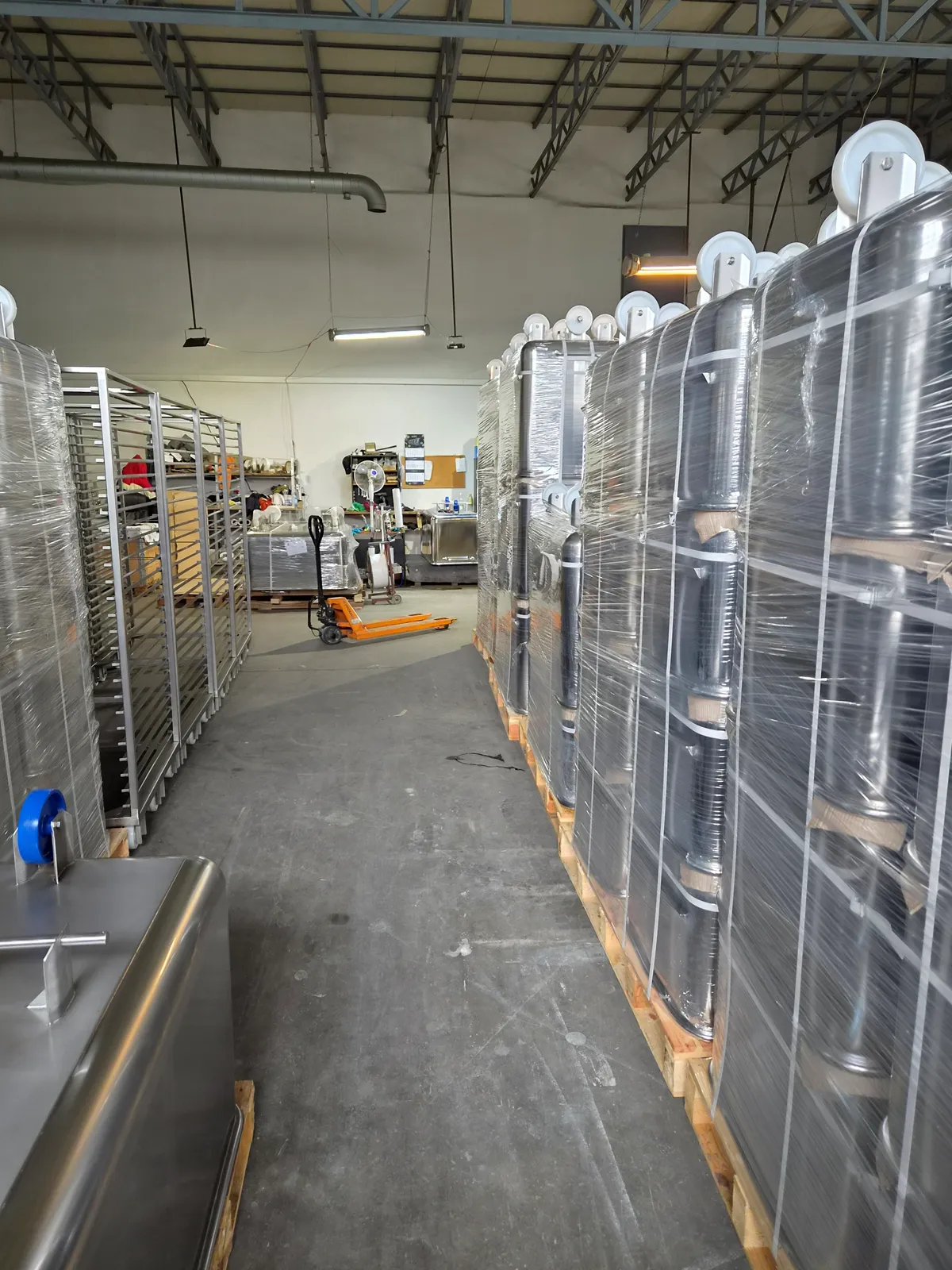
The chassis is another pillar of reliability, on which we emphasize in our philosophy of tailored engineering. The use of specially profiled wheels made of low-friction plastic, embedded on massive stainless steel brackets, ensures excellent maneuverability of the truck even at full load of 120 l, 200 l or 300 l. These wheels show complete resistance to aggressive washing chemicals and high temperatures used during the rigorous disinfection of the plant, which directly translates into decades of failure-free operation.
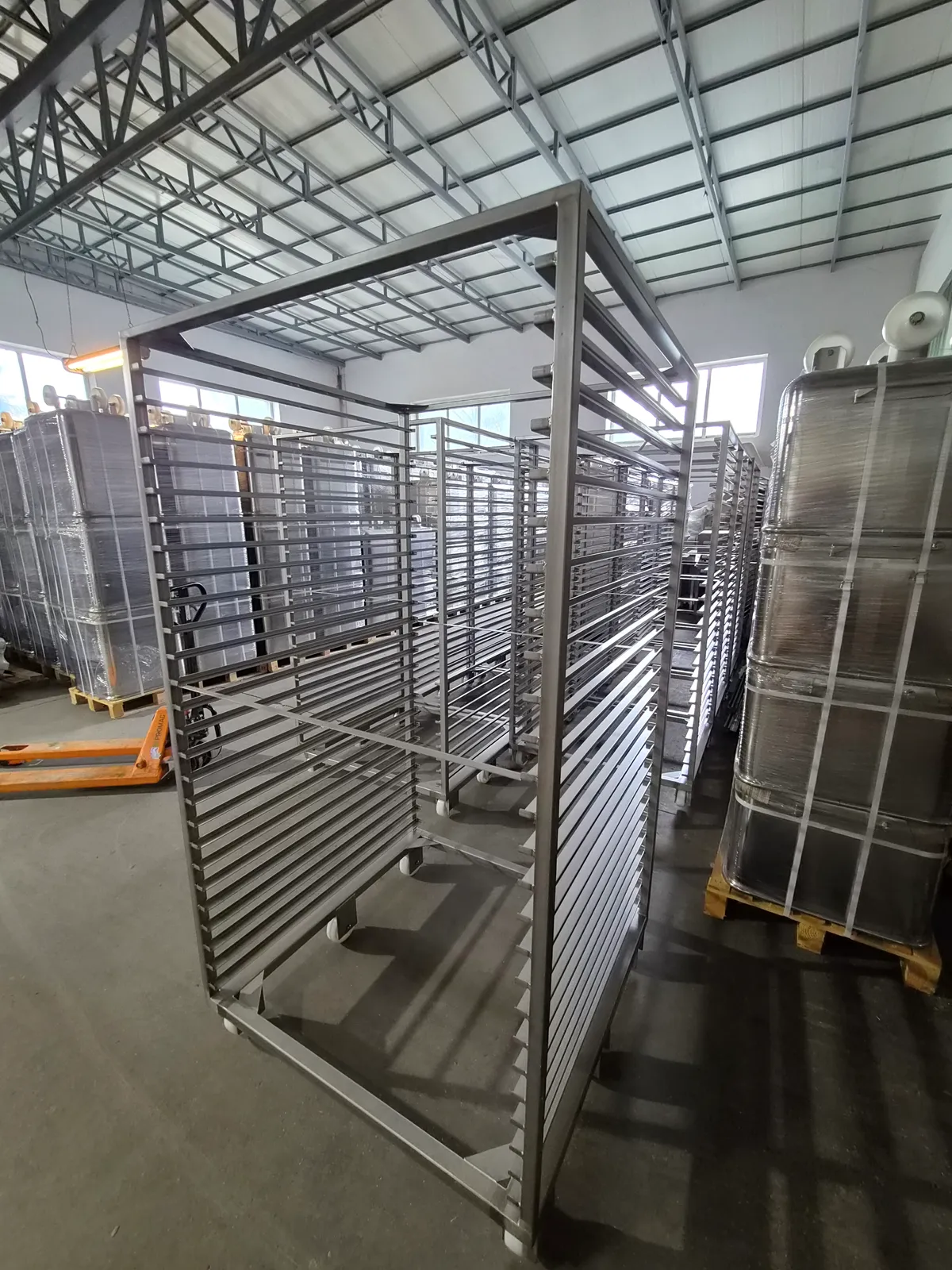

Key engineering facts:
- Base Material: High-quality stainless steel with reduced surface roughness.
- Weld type: Continuous, bilateral, fully flattened and polished in food contact zones.
- Industry compatibility: Full compatibility with butcher systems according to DIN 9797.
- Edge design: Safe, hygienic curled profile to prevent accumulation of impurities.
- Application: Meat and meat industry, fish processing and production of ready meals.