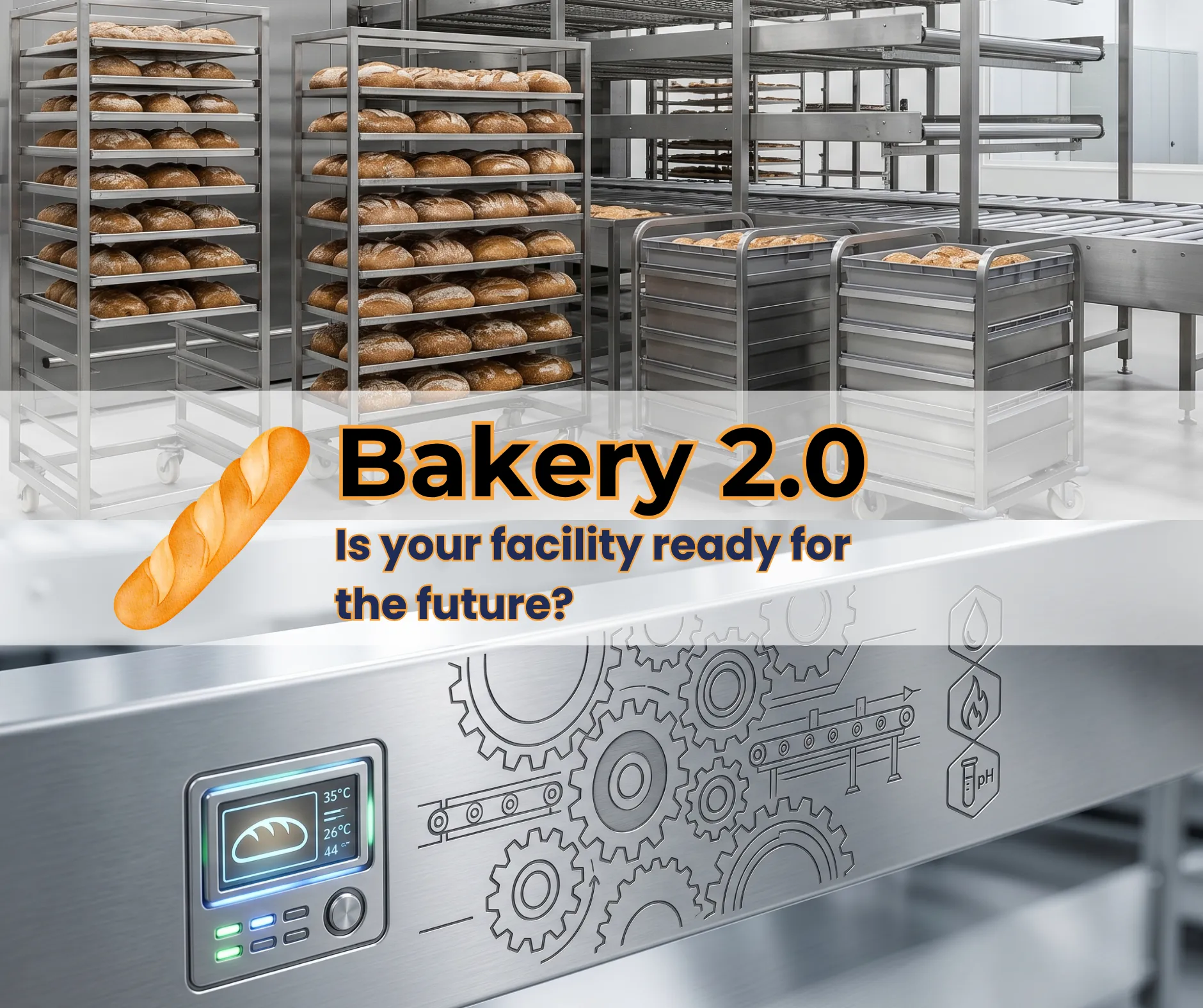
A modern bakery is a technology hall
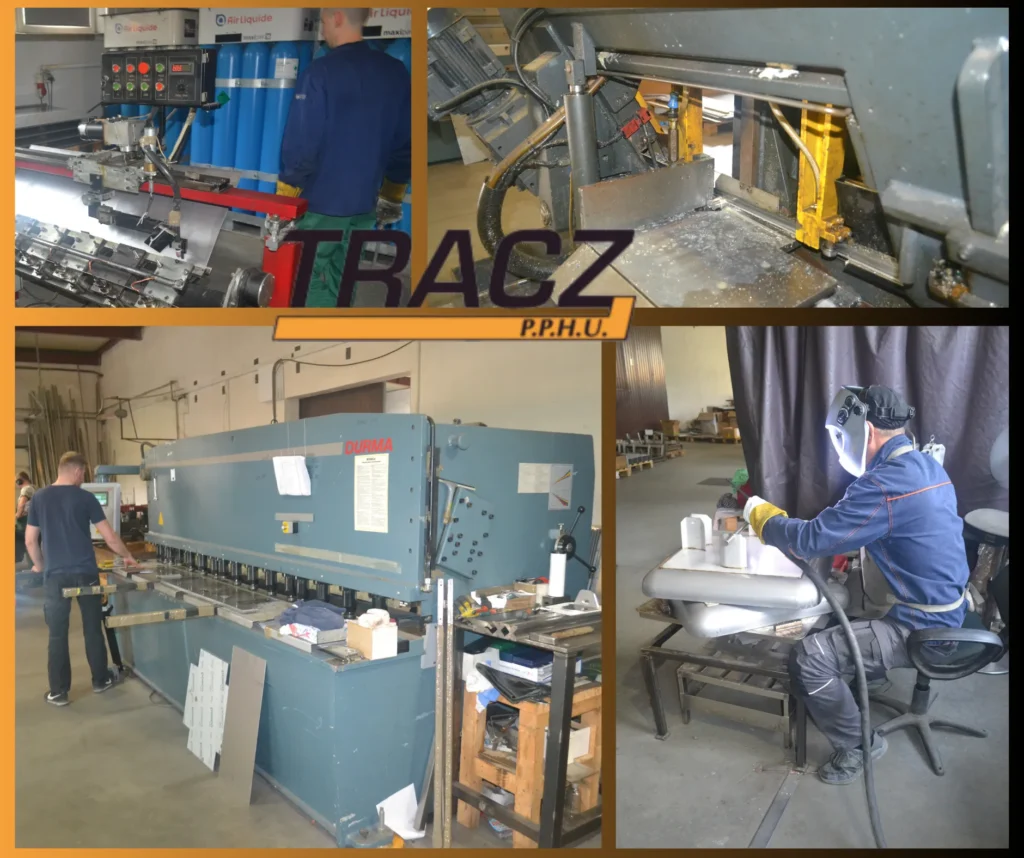
Contemporary bakery and confectionery has undergone a thorough metamorphosis. The traditional image of the craftsman by the stove gives way to the vision of a modern plant, which in functionality resembles an advanced technological hall. Today, the success of the bakery is determined not only by a unique recipe, but above all by the precision of processes, automation and reliability of infrastructure.
In the era of increasing market requirements, the bakery 2.0 is a place where every square meter of space must work for profit. In line with our “engineering tailored to your needs” philosophy, designing equipment for this sector requires an understanding of the specificity of mass production, while maintaining attention to detail that guarantees the quality of the final product.
Why are traditional materials a thing of the past? In the past, the bakeries were dominated by wood or aluminum. However, modern food safety standards and the intensity of production force a change of thinking. A modern technology hall sets specific requirements for equipment:
- Maximum hygiene: the material must be completely smooth and non-porous to prevent bacteria from growing and the build-up of dough residues.
- Resistance to intensive operation: the equipment in a modern plant works in a multi-shift system, which requires structures that are resistant to deformation.
- Ease of sanitation: the time spent on cleaning is the time when the line does not earn. Modern infrastructure must allow for quick and effective industrial washing.
The foundation of this technological revolution is stainless steel. It is the only material that fully meets the needs of modern production halls, combining aesthetics with absolute durability. At Tracz, we know that professional equipment is not a cost, but an investment in the safety and smoothness of your business.
Environmental challenges – moisture, temperature and acidity
Designing equipment for bakeries and confectioneries is a fight against three powerful factors that can destroy standard warehouse equipment in a short time. In a modern production plant, where the processes are repetitive and intense, there is no room for materials that ‘can withstand’. This is where physics and chemical resistance count.
1. Extreme moisture and water vapor The process of rising the dough in the trough chambers requires high humidity, and the baking itself is associated with frequent fogging of the furnace chambers. For ordinary steel or aluminum, it is a straightforward path to corrosion. Stainless steel used in our products creates a passive protective layer on its surface, which keeps the equipment intact even with constant contact with steam. Thanks to this, you avoid the risk of peeling of paint or the formation of rust, which is unacceptable in contact with food.
2. Thermal shock and high temperatures bakery equipment, such as shelves or transport trolleys, circulates between a hot stove and a cold store or a shock freeze. Such rapid changes in temperature cause material stresses. Our engineering is based on:
- precise welds that do not break under the influence of thermal expansion.
- structures that retain their geometry (do not bend), which is crucial for automatic transport lines.
3. Aggressive action of organic acids Hardly anyone outside the industry realizes how ‘aggressive’ a cake can be. Sourdough, yeast and confectionery additives contain organic acids that react with metals.
- Aluminum can oxidize and blacken by staining the product.
- Galvanized steel loses its protective layer in contact with acids.
- Stainless steel remains completely chemically inert. It does not change the taste, smell or chemical composition of your baked goods.
In our company, we understand that the durability of infrastructure in these specific conditions is not only a matter of aesthetics. It is primarily compliance with HACCP standards and a guarantee that the production process will not be interrupted by the failure of a corroded trolley or rack. When choosing stainless steel, you choose peace for years, no matter how difficult the conditions prevail in your plant.
Internal logistics – the heart of performance
In a modern bakery, the product never stands still. From the moment of taking the flour, through the rising of the dough, to the expedition of ready-made baked goods – internal logistics is the bloodstream of the plant. Any downtime caused by a wheel failure in a wheelchair or difficulty in maneuvering a bookcase is a real waste of time and money. According to our principle “Engineering tailored to your needs”, we design solutions that eliminate these bottlenecks.
The foundations of efficient transport – TRACZ solutions in practice:
To ensure operational smoothness, the modern bakery 2.0 is based on four logistic pillars:
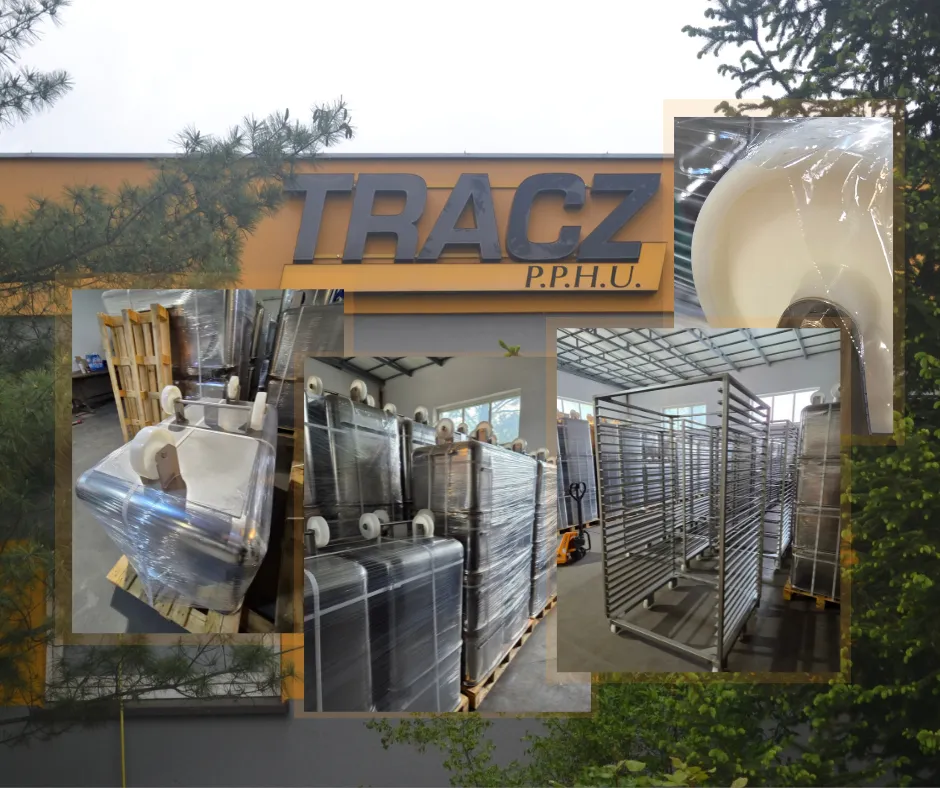
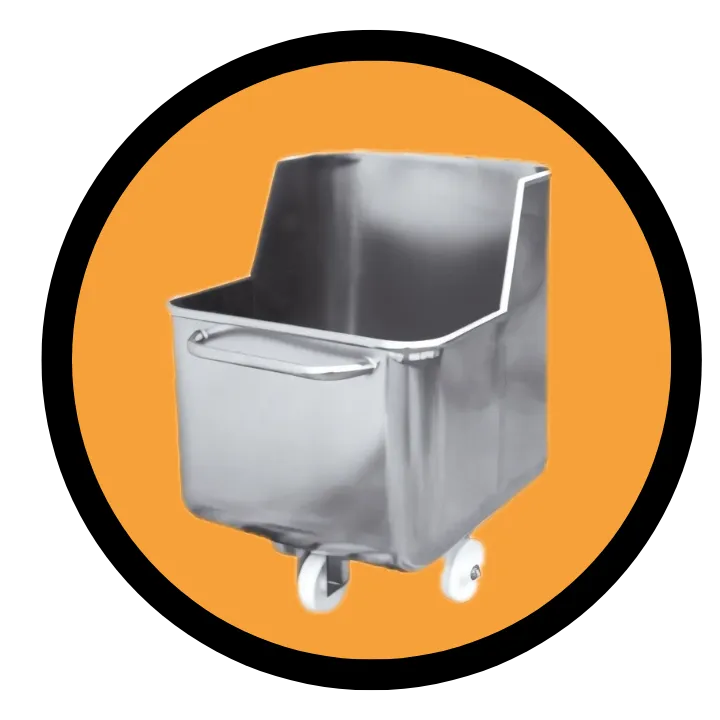
Rollie transport trolleys: He is a silent hero of every expedition. Our transport trolleys (single and double) are designed with standard bakery containers in mind. Precise welds and reinforced construction mean that even with full load, maneuvering them in narrow storage alleys does not require a lot of physical strength.
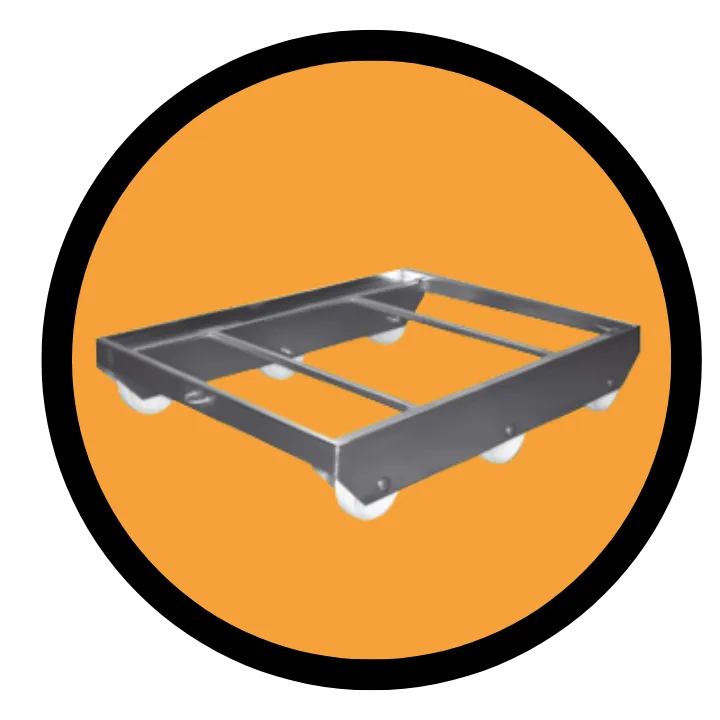
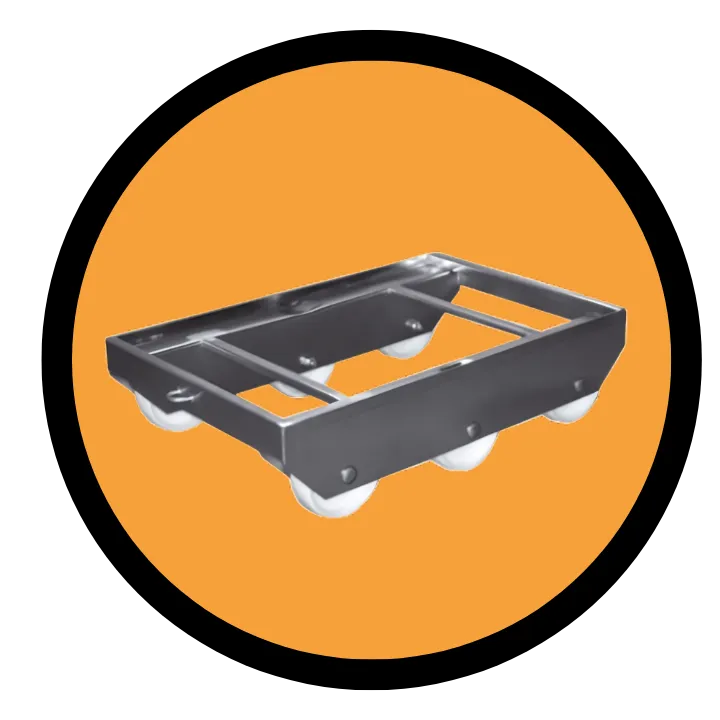


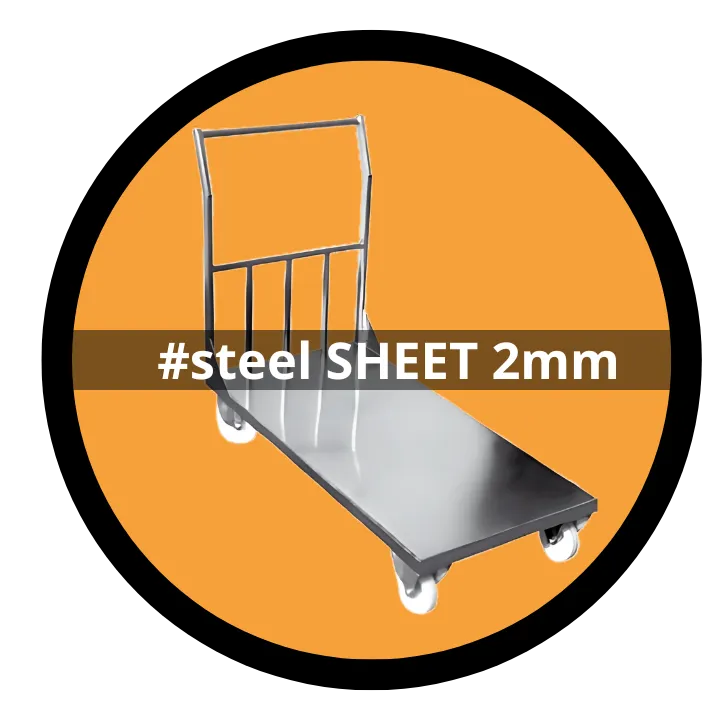
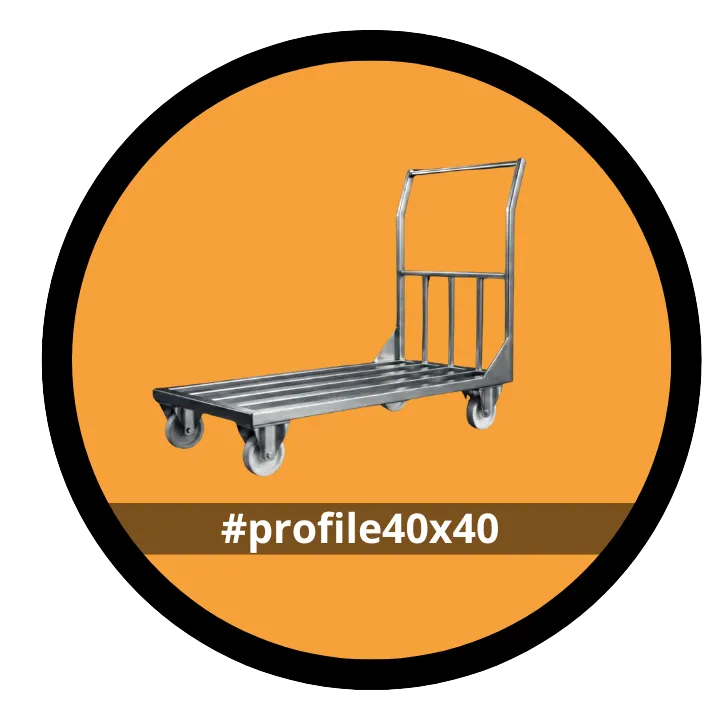
Platform and platform trolleys with profiles: Designed for the toughest tasks – transporting heavy day, bags with accessories or technical components. Thanks to the use of appropriate chassis engineering, these trolleys are characterized by exceptional stability, which is crucial for the safety of employees.
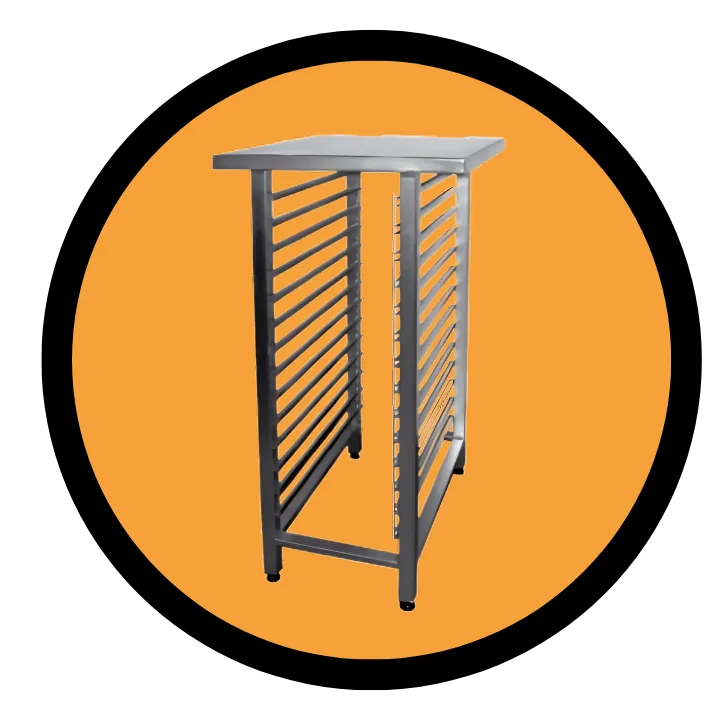
Warehouse racks: Optimizing the space is a challenge for every technology hall. Our shelves with stainless steel They allow the maximum use of the cubature of cold stores and dry warehouses. Their modular design facilitates air circulation, which has a direct impact on the speed of cooling of the baked goods.
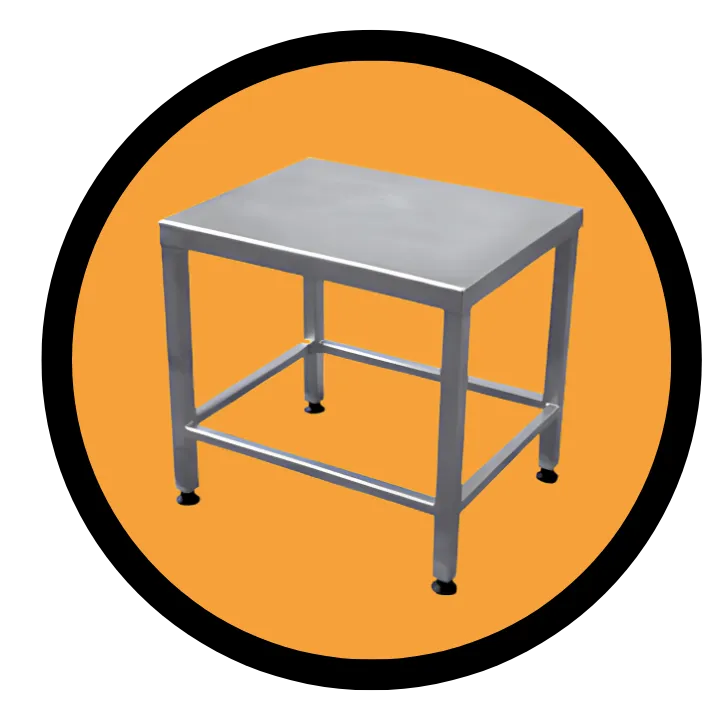
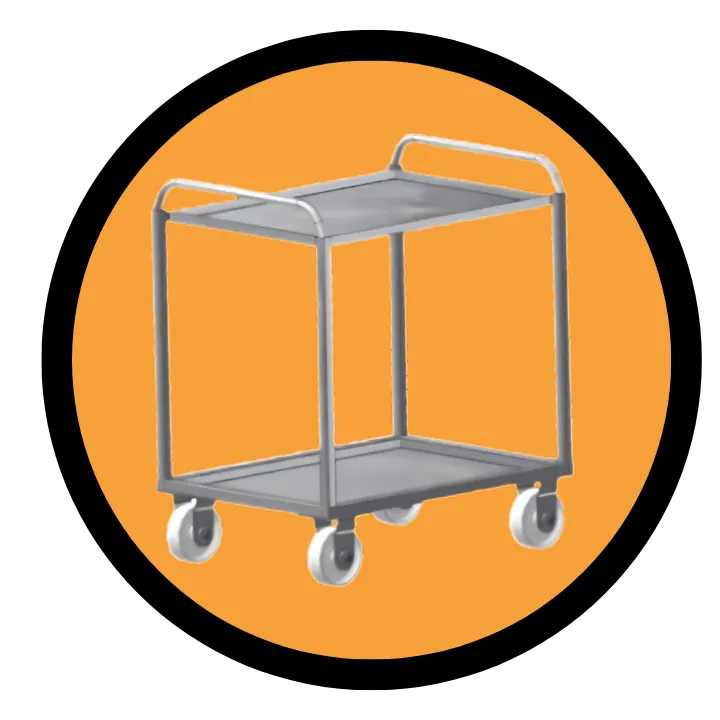
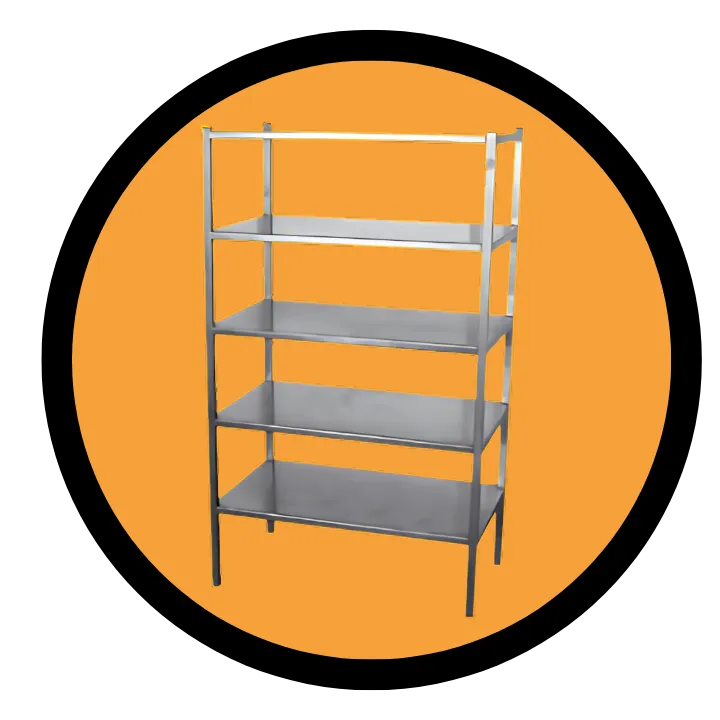
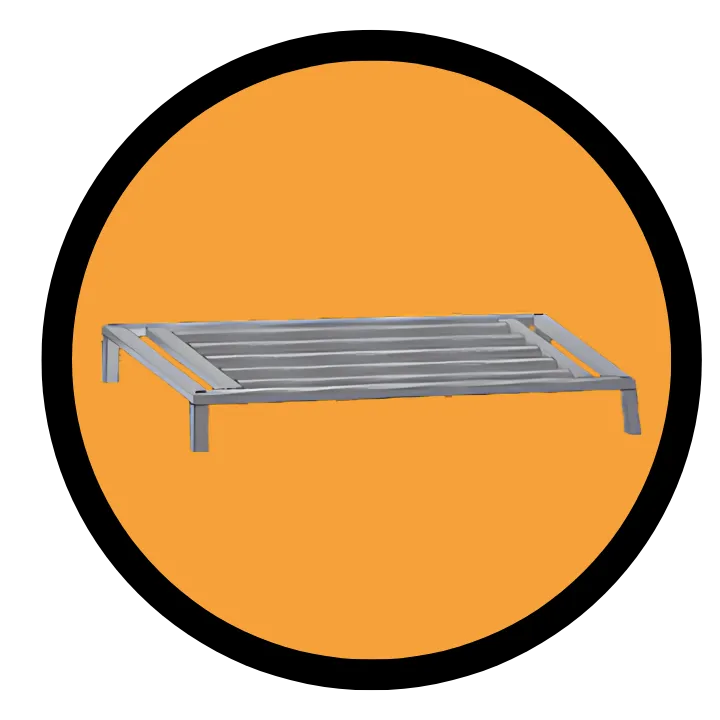
Why does engineering matter? We do not produce ‘ordinary carts’ in PPHU Tracz. We provide work tools. Each element – from the selection of the type of wheels resistant to high temperatures, to the ergonomic handle for the transport trolley – is the result of an analysis of the needs of the bakery industry.
Precise execution means no sharp edges (product and personnel safety) and ease of handling, which translates into less team fatigue and faster order fulfillment. Internal logistics based on stainless steel is an investment that pays off through reliability – your plant works without interruptions, and the equipment serves decades, not seasons.
Hygiene 2.0 – easy to clean as a profit
In the food industry, and in bakery in particular, the time devoted to washing and disinfection is a time of “non-production”. The more difficult it is to clean a given piece of equipment, the higher the costs of labor, water consumption and specialized chemicals. We design devices so as to shorten this process to a minimum, turning a difficult procedure into a quick operational operation.
Hygiene engineering – how do we do it?
Our approach to “hygiene 2.0” is based on the elimination of problems at the source, that is, at the construction stage. Choosing equipment from stainless steel, you gain thanks to specific technical solutions:
- Continuous welds and ground joints: Unlike cheap replacements, our products have precise welds that are smoothly ground. This eliminates micro-gaps in which the remains of dough, flour or moisture could accumulate, becoming a breeding ground for microorganisms.
- Open profile design: In projects such as storage racks or platform trolleys made of profiles, we avoid ‘dead zones’ that do not receive a stream of pressurized water. This makes it easier to sanitize the device in a few minutes.
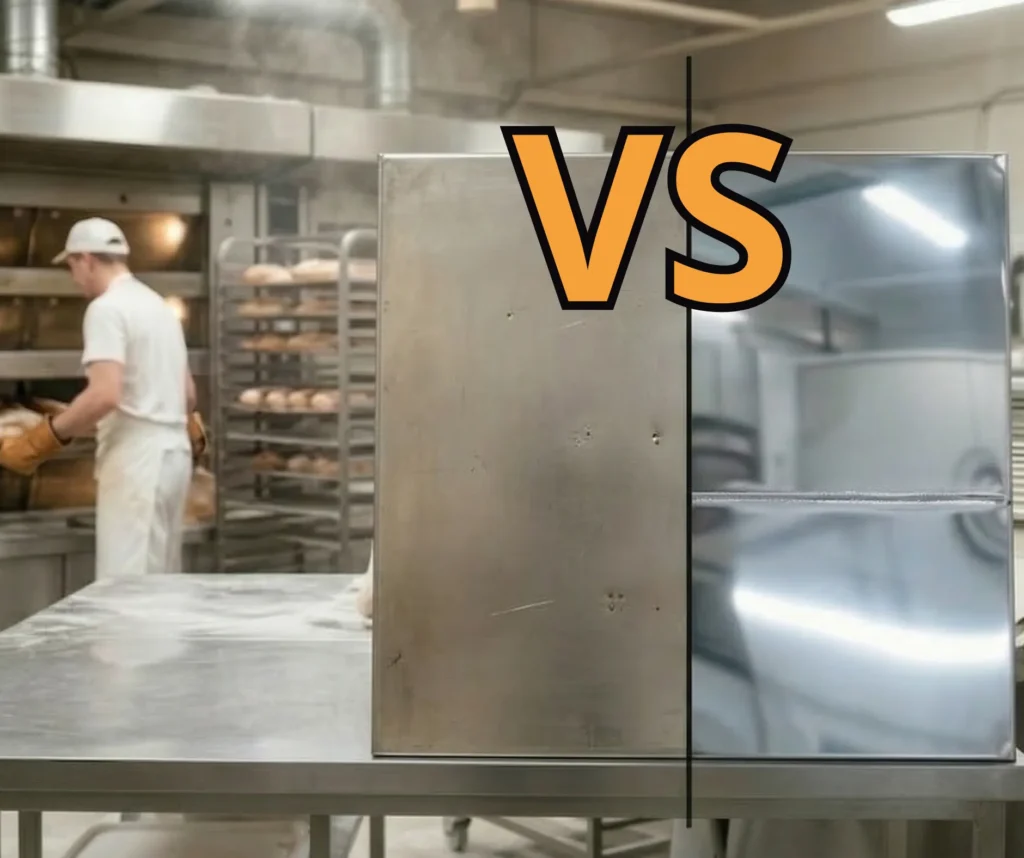
- High surface quality: Surface finishing stainless steel In our standard, it makes it extremely smooth. Thanks to this, the dirt has less adhesion, and the washing process requires less aggressive chemicals.
Why is easy hygiene pure profit?
When cleaning transport trucks or racks runs smoothly, your plant gains in many fields:
- time saving: Staff can return to production tasks faster.
- Longer hardware life: Regular and effective removal of deposits from stainless steel It prevents pitting corrosion foci, which keeps the HACCP standards for decades.
- Audit security: Plants operating in IFS, BRC or rigorous sanitary standards need equipment that ‘defend’ themselves during each inspection. Our structures are designed with the highest demands in mind.
An investment in ‘engineering tailored to your needs’ in this case is an investment in hygiene, which does not generate problems, but savings. In a modern bakery 2.0, cleanliness is an integral part of the technological process, not a burdensome duty.
Engineering tailored to your needs – we will design your bakery 2.0 together
Each bakery plant has its own specificity – from the unique layout of the rooms, through unusual dimensions of the stoves, to specific technological processes. We understand that ready-made catalog solutions are not always the answer to all challenges. Therefore, our base is Tailor-made engineering.
If your freezer requires custom-height racks, or if you need transport trucks integrated with your automatic line – our design office is at your disposal. Stainless steel is a material that is extremely grateful in engineering, which allows us to create ‘tailor-made’ products that perfectly fit into the architecture of your success.
Why is it worth betting on stainless steel with P.P.H.U. Tracz?
By choosing our solutions, you invest in the foundations of a modern enterprise:
- uncompromising hygiene compliant with HACCP standards.
- Durabilitythat will survive the test of time, moisture and temperature.
- ergonomicsthat really increases the performance of your team.
Modern Piekarnia 2.0 is a place where technology supports tradition, and engineering cares about safety. Don’t let chance decide about your plant’s equipment.
Let’s build the future of your bakery together. Do you have an unusual project or need consultancy in the field of internal logistics? Contact our experts. We will prepare a solution for you that will prove that ‘engineering tailored to your needs’ is not only a password, but the standard of our work.